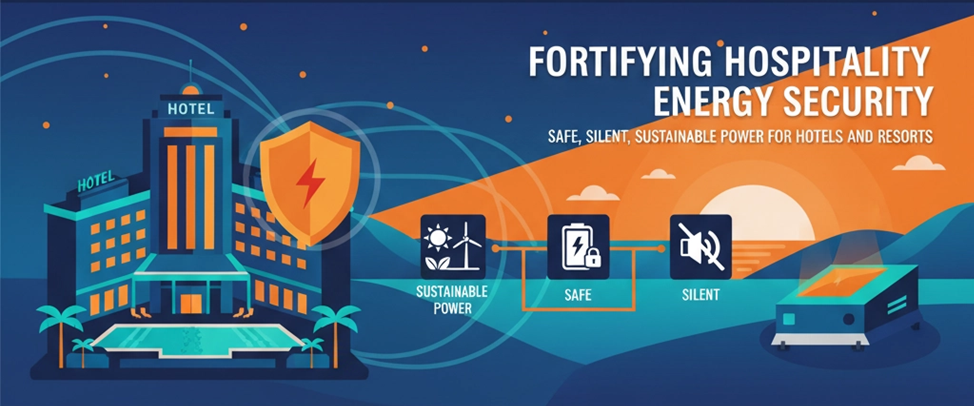
Hotels and resorts are increasingly recognizing that energy security is not merely about cost savings: it represents a fundamental operational necessity that ensures uninterrupted guest service, environmental stewardship, and long-term business resilience. The modern hospitality industry is embracing energy solutions that combine reliability, quiet operation, and environmental responsibility to create a robust energy infrastructure.
The Foundation of Energy Independence
Energy security in hospitality begins with diversifying power sources and reducing dependence on traditional grid electricity. Hotels can achieve this through renewable energy systems that generate power on-site, providing both cost predictability and operational autonomy. By adopting solar energy, hospitality businesses can generate their own renewable power on-site, drastically reducing dependence on costly electricity from grids or diesel. This self-sufficiency becomes particularly critical during grid outages or peak demand periods when conventional power sources may prove unreliable or prohibitively expensive.

The Hotel Rural Vale do Rio in Portugal exemplifies this comprehensive approach to energy independence. The property is 100% powered by renewable and sustainable energy sources, including electricity needs, the air-conditioning system and all heating requirements on-site. The hotel's energy infrastructure includes a mini-hydro plant, two biomass boilers, solar panels, photovoltaics, an absorption chiller, and a vegetable oil/biodiesel engine, demonstrating how multiple renewable sources can work together to create a resilient energy system.
Solar Power and Battery Storage: The Silent Powerhouse
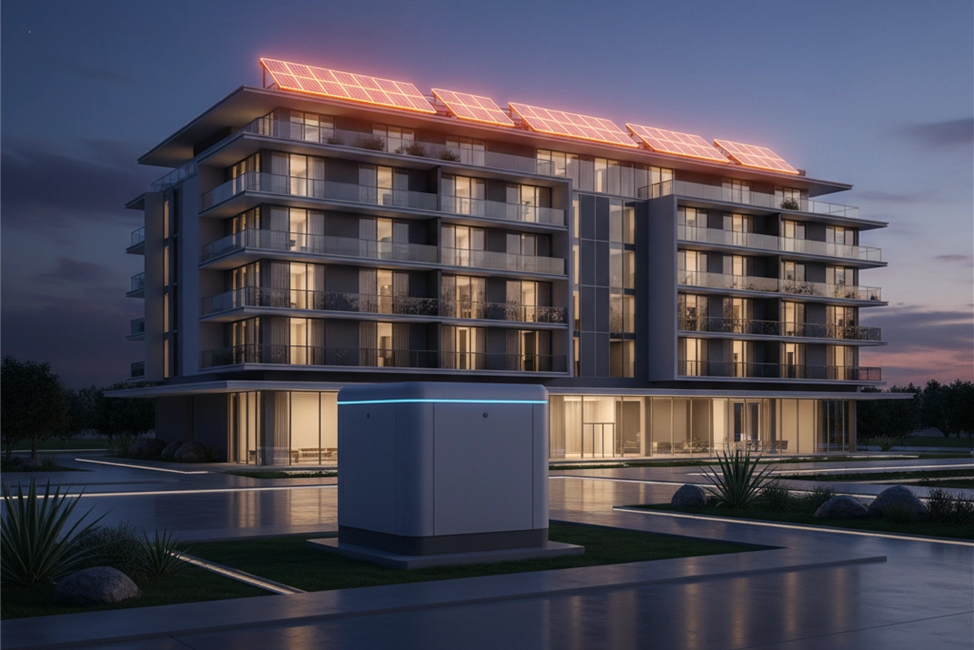
Solar energy paired with Battery Energy Storage Systems (BESS) has emerged as a cornerstone technology for hospitality energy security. These systems operate silently, producing no noise pollution that could disturb guests while providing reliable power around the clock. Excess solar power generated during the day can be stored for use at night or during peak demand hours, ensuring seamless energy availability without the high costs.
The financial impact can be substantial. An eco-lodge in South Africa recently installed a solar-plus-BESS system, cutting energy costs by 40% while maintaining a reliable energy supply for guests. A luxury resort in the Maldives transitioned to 100% renewable energy using a combination of solar panels and energy storage, reducing its carbon emissions by thousands of tons annually. These systems eliminate the need for noisy diesel generators while providing consistent power that guests and operations can depend upon.
Geothermal Systems: Silent Climate Control
Geothermal energy represents one of the quietest and most efficient solutions for hotel heating and cooling needs. This technology leverages the earth's natural heat for temperature control and hot water supply, operating with minimal mechanical noise and maximum reliability. The F Zeen resort uses geothermal heat pumps to regulate indoor temperatures by circulating water through underground pipes, either absorbing or releasing heat depending on the season. This approach provides year-round climate control without the noise associated with traditional HVAC systems.
Smart Energy Management for Enhanced Security
Smart Energy Management Systems (SEMS) serve as the intelligent backbone of modern hotel energy security, optimizing consumption patterns and preventing waste. These systems use connected sensors and automated controls to reduce unnecessary energy use in HVAC, lighting, and water heating. Hilton Hotels has reported saving over $1 billion in utility costs since 2008 through smart energy initiatives, including the implementation of automated energy management systems.

The Venetian Resort in Las Vegas uses occupancy-based energy controls that automatically adjust lighting and HVAC when guests leave the room, lowering energy use while ensuring guests return to a comfortable environment. These systems provide real-time insights into performance trends, allowing for proactive maintenance and identification of potential issues before they compromise energy security.
Multiple Renewable Sources for Redundancy
The most secure energy systems incorporate multiple renewable sources, creating redundancy that ensures continuous operation. Hotels in diverse geographical locations can select technologies best suited to their environment. Wind power serves hotels in regions with consistent winds, while biomass and biogas systems convert organic waste into energy, providing both power generation and waste management solutions.
Wildflower Farms Resort utilizes a biomass heating system that converts locally sourced organic waste into energy, minimizing reliance on fossil fuels. Hydroelectric power, generated by flowing water, provides a steady electricity supply with minimal environmental impact for properties near rivers or waterfalls. This diversification ensures that if one energy source experiences reduced output, others can compensate to maintain operations.
Environmental and Economic Security
The integration of renewable energy systems creates a virtuous cycle where environmental responsibility enhances financial security. Marriott International has committed to reducing carbon intensity by 30% by the end of 2025, using SEMS and IoT-driven efficiency programs. These efforts not only reduce operational costs but also position hotels competitively in a market where MANY global travelers prefer eco-friendly lodging options.

Hotel Verde, known as "Africa's greenest hotel," generates a significant portion of its electricity through solar photovoltaic panels while incorporating energy-saving measures like grey water recycling and elevators with regenerative drives. The hotel's comprehensive approach supports its ambitious goal of becoming the first carbon-neutral hotel on the continent, demonstrating how energy security and environmental leadership can advance simultaneously.
Meeting Future Demands
Energy security in hospitality ultimately means freedom from volatile fossil fuel markets, protection against grid failures, and the ability to maintain consistent, high-quality service regardless of external energy challenges. By combining solar, wind, geothermal, biomass, and hydroelectric power with intelligent management systems and battery storage, hotels create resilient energy infrastructures that operate silently, safely, and sustainably: fortifying their position in an increasingly competitive and environmentally conscious marketplace.
Ready to optimize your hospitality energy strategy? Solar Data Pros provides comprehensive energy analytics and consulting services to help hotels and resorts implement reliable, sustainable power solutions. Contact our energy consulting team to discover how data-driven insights can enhance your property's energy security and operational efficiency.
