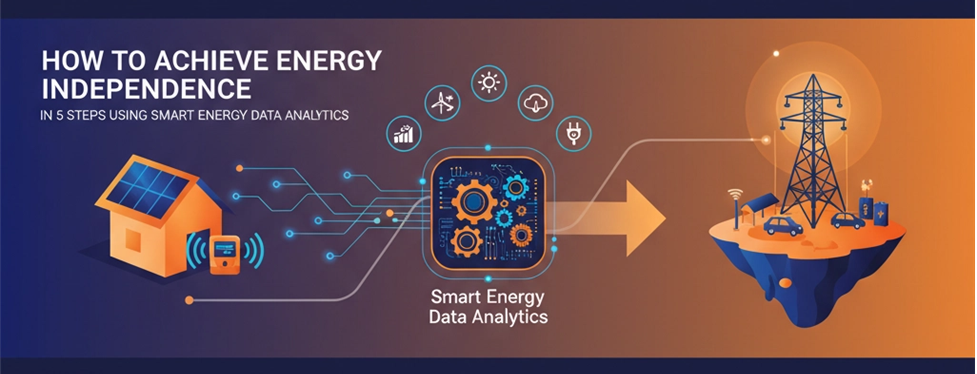
Energy independence isn't just a dream: it's an achievable goal when you harness the power of smart energy data analytics. Whether you're a homeowner looking to break free from rising utility costs or a solar professional helping clients maximize their investment, the path to energy freedom runs through data-driven decision making.
The key lies in understanding that energy independence isn't about installing solar panels and hoping for the best. It's about creating a comprehensive system that monitors, analyzes, and optimizes every aspect of your energy consumption and production. Here's your roadmap to achieving true energy independence through smart data analytics.
Step 1: Master Your Current Energy Consumption Patterns
Before you can optimize your energy future, you need to understand your energy present. Traditional utility bills only show you the tip of the iceberg: total monthly consumption and costs. But real energy independence requires diving deeper into the data.
Energy consumption tracking reveals the hidden patterns in your daily energy use. When do you use the most electricity? Which appliances are energy hogs? Are there opportunities to shift usage to off-peak hours? This granular understanding forms the foundation of any successful energy independence strategy.
Smart meters and advanced analytics platforms can identify consumption patterns that aren't visible on standard utility bills. For instance, you might discover that your HVAC system accounts for 60% of your energy use during summer months, or that phantom loads from electronics in standby mode are quietly draining power 24/7.
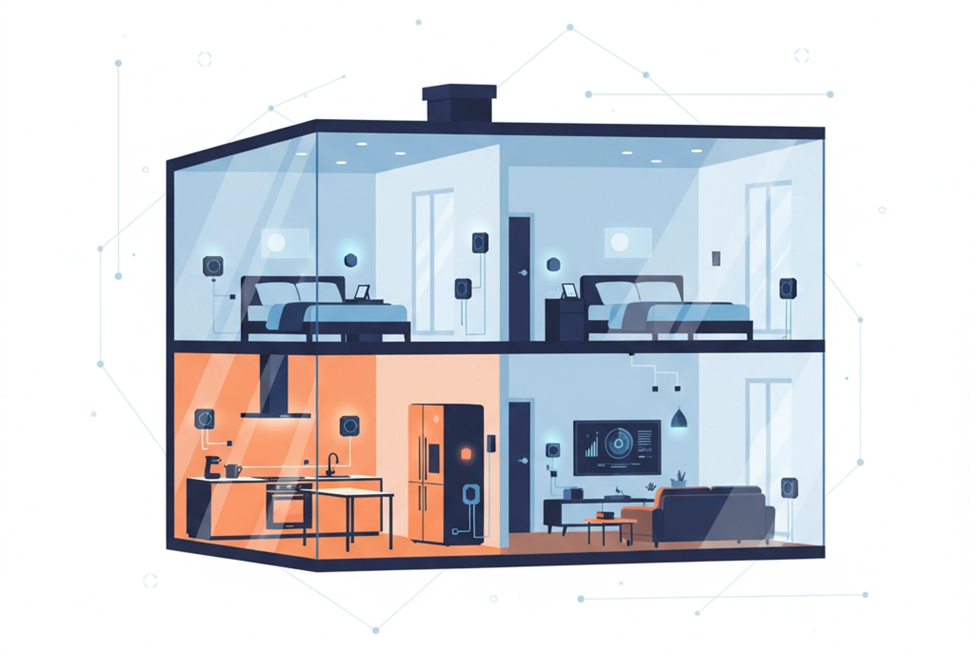
The data doesn't lie: and it reveals opportunities that basic bill analysis misses. By establishing baseline consumption patterns across different seasons, times of day, and usage scenarios, you create the benchmark against which all future improvements will be measured.
Step 2: Harness Solar Production Data and Inverter Monitoring
Once you understand your consumption, the next step is maximizing your solar energy production. This goes far beyond simply checking if your panels are generating power: it's about optimizing every kilowatt-hour of production potential.
Solar production data tells you exactly how your system performs under different weather conditions, seasonal changes, and equipment variations. Modern solar inverter monitoring systems provide real-time insights into individual panel performance, system efficiency, and production forecasting.
Solar inverter monitoring also reveals when individual panels or system components aren't performing optimally. A 10% drop in production from one string of panels might indicate shading issues, equipment problems, or maintenance needs that could cost thousands in lost production if left unaddressed.
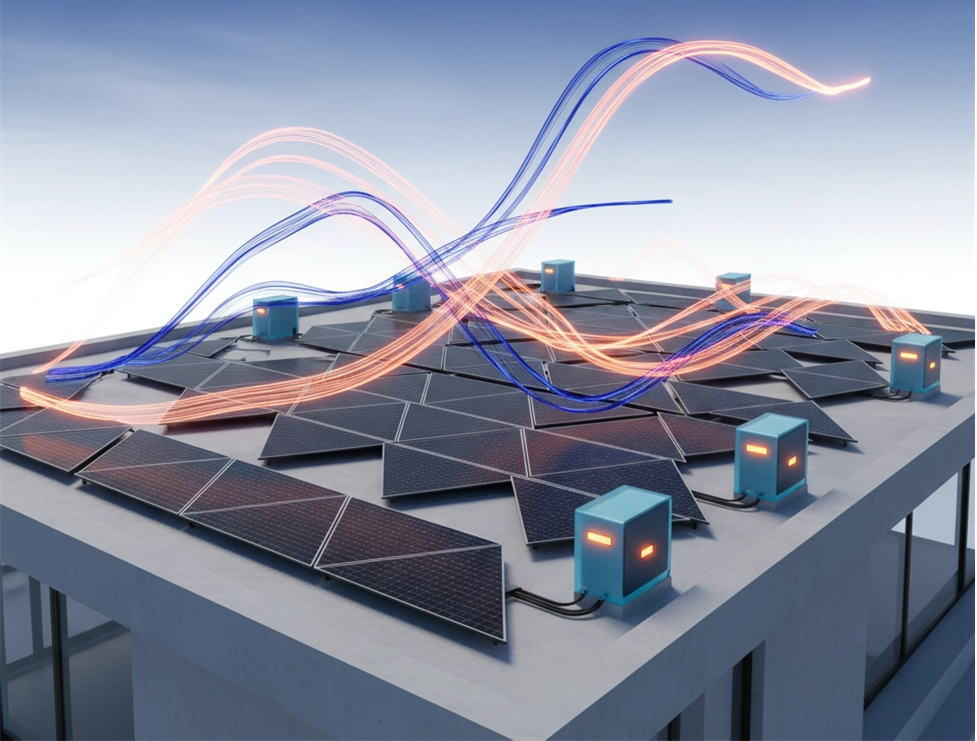
The key is moving beyond basic production totals to understand the "why" behind your system's performance. When you know that cloudy mornings reduce production by 40% but clear afternoons generate 100% of rated capacity, you can adjust your energy consumption patterns accordingly.
Step 3: Integrate Battery Storage Data and Insights
Energy independence means having power when you need it, not just when the sun is shining. Battery storage systems are your ticket to round-the-clock energy freedom, but only when they're properly sized, configured, and managed through intelligent data analysis.
Battery storage data encompasses charge cycles, depth of discharge, efficiency rates, and capacity degradation over time. Smart storage systems don't just store energy: they optimize when to charge, when to discharge, and how to maximize battery life while meeting your energy needs.
The analytics reveal optimal charging strategies based on your consumption patterns and solar production forecasts. Should you charge during peak solar production or wait for off-peak utility rates? How much capacity should you reserve for emergency backup versus daily cycling? These decisions directly impact your path to energy independence.
Advanced battery management systems use machine learning algorithms to predict your energy needs and optimize storage accordingly. They learn that you typically use more energy on weekends, that your consumption spikes during certain weather patterns, and that your solar production varies seasonally.
Integration with solar production data creates powerful optimization opportunities. When your analytics predict three days of cloudy weather, the system can pre-charge batteries during the last sunny day and adjust consumption recommendations to extend your energy independence duration.
Step 4: Deploy Intelligent Energy Insights for System Optimization
True energy independence requires orchestrating all your energy systems: solar, storage, consumption, and grid interaction: into a harmonized whole. This is where intelligent energy insights and system modeling transform individual components into an integrated energy independence solution.
Project modeling capabilities allow you to simulate different scenarios and optimize your energy systems before making major investments. What happens if you add more solar panels? How does a larger battery bank impact your grid independence? Which energy efficiency upgrades provide the best return on investment?
Smart analytics platforms can model complex interactions between all system components. They factor in seasonal variations, equipment degradation curves, utility rate structures, and changing consumption patterns to provide accurate long-term performance projections.
These intelligent insights also identify opportunities for demand response participation, time-of-use optimization, and equipment upgrades that accelerate your journey to energy independence while maximizing financial returns.
Step 5: Maintain Ongoing Analytics for Maximum Self-Sufficiency
Energy independence isn't a destination: it's an ongoing process that requires continuous monitoring, analysis, and optimization. The final step involves establishing robust analytics systems that track your progress, identify new opportunities, and ensure long-term success.
Ongoing analytics provide the feedback loops necessary to maintain and improve your energy independence over time. Equipment ages, consumption patterns change, utility rates fluctuate, and new technologies emerge. Your analytics platform must evolve with these changes to maintain optimal performance.
Performance tracking dashboards show real-time and historical data on energy production, consumption, storage efficiency, and grid independence metrics. You can see exactly how close you are to complete energy independence and identify specific areas for improvement.

Long-term trend analysis reveals equipment maintenance needs, system upgrade opportunities, and changing consumption patterns that might impact your energy independence goals. When your analytics show that summer cooling loads have increased 15% over three years, you can proactively address the issue through efficiency upgrades or system expansion.
The data also enables predictive maintenance scheduling, optimal equipment replacement timing, and strategic system expansions that maintain your competitive edge in the evolving energy landscape.
Your Path Forward with Smart Energy Data Analytics
Achieving energy independence through smart data analytics isn't just about installing solar panels and batteries: it's about creating an intelligent energy ecosystem that continuously optimizes your path to energy freedom. Each step builds upon the previous one, creating a comprehensive approach that maximizes your investment and accelerates your timeline to independence.
The data provides the roadmap, but you need the right tools and expertise to interpret and act on those insights. Whether you're a homeowner ready to take control of your energy future or a solar professional helping clients achieve their independence goals, the power of smart energy data analytics can transform your relationship with energy forever.
Ready to start your journey to energy independence? Discover how Solar Data Pros' analytics platforms can provide the insights and tools you need to achieve true energy freedom through data-driven decision making.
